Panch Kedar: Five Shrines, Eighteen Days, One Long Leave
The circuit through Kedarnath, Madhyamaheshwar, Tungnath, Rudranath and Kalpeshwar — what each shrine is, how the eighteen days actually run, and why it suits a mariner’s leave better than almost anything else.
Sixty hours alongside is not a holiday. A four-month leave is — and it is long enough for the one journey most people never find the time for. The Panch Kedar circuit takes eighteen days and asks for a level of fitness a seafarer already has.
The Himalayas have always been more than mountains. They are the dwelling place of the divine — ancient, silent, and magnificent. Tucked within the folds of Uttarakhand’s Garhwal Himalayas lies one of Hinduism’s most revered pilgrimage trails: the Panch Kedar Circuit, a journey through five sacred shrines dedicated to Lord Shiva.
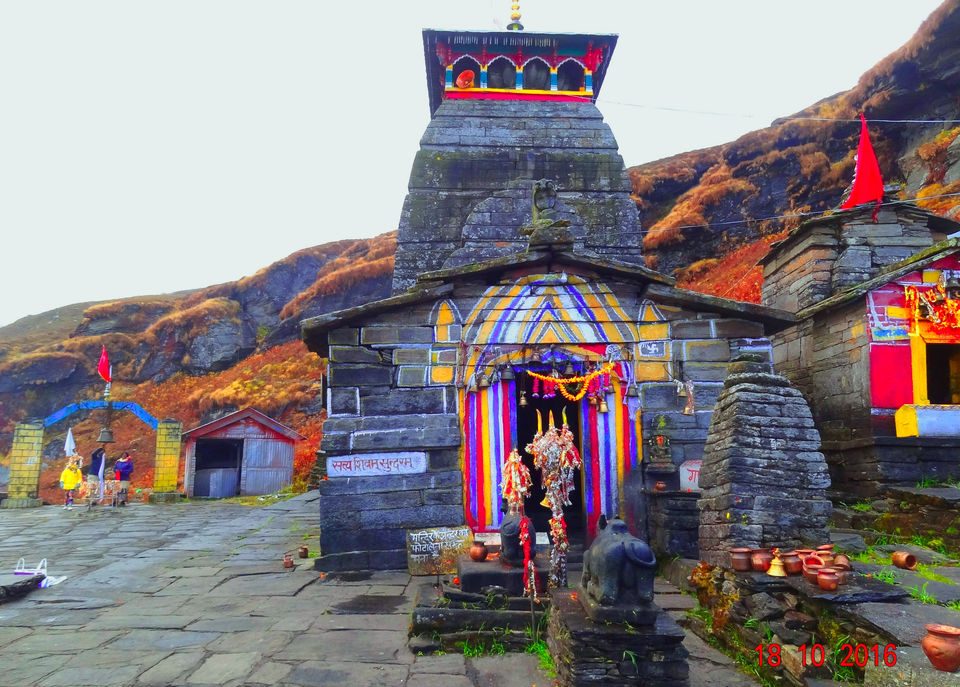
The Panch Kedar — Kedarnath, Madhyamaheshwar, Tungnath, Rudranath and Kalpeshwar — are believed to be the five spots where Lord Shiva’s body parts emerged from the earth after he disappeared as a bull to evade the Pandavas. Each shrine enshrines a different part: the hump at Kedarnath, the navel at Madhyamaheshwar, the arms at Tungnath, the face at Rudranath, and the hair at Kalpeshwar.
To walk this circuit is to walk through mythology, alpine meadows, glacial valleys and centuries of devotion. Traveego Vacations — the leisure side of this group — runs it as a complete, unhurried journey.
The Five Shrines
How the Eighteen Days Run
Eighteen to twenty-one days, in May–June or September–October. The itinerary is built to balance spiritual immersion, physical preparedness and responsible travel — which in practice means acclimatisation days where a compressed schedule would skip them.
Phase 1 · Arrival and acclimatisation
Days 1–2-
Day 1 — Arrive Haridwar or Rishikesh
Received at the station or airport and transferred to riverside accommodation. Evening at the Ganga Aarti — Har Ki Pauri in Haridwar, or Triveni Ghat in Rishikesh.
-
Day 2 — Rishikesh → Ukhimath / Rudraprayag
Six to seven hours into the Garhwal hills, the road hugging the Mandakini through Devprayag, Rudraprayag and Agastyamuni. Overnight to acclimatise.
Phase 2 · Kedarnath
Days 3–5-
Day 3 — Gaurikund → Kedarnath, 14 km
Six to seven hours on a well-maintained trail through Jungle Chatti, Bheembali, Lincholi and Base Camp into the sacred valley. Evening aarti at the temple.
-
Day 4 — Darshan, and Chorabari or Vasuki Tal
Morning darshan at the ancient temple; the afternoon for the valley, or for sitting still in it. Priority darshan passes are arranged where available.
-
Day 5 — Descend to Gaurikund → drive to Ransi
Back down the trail and on to the base village for Madhyamaheshwar.
Phase 3 · Madhyamaheshwar
Days 6–9-
Day 6 — Ransi → Bantoli / Nala, 12 km
The long, magnificent one. Forest gives way to open meadow; camp or rest house at the end of it.
-
Day 7 — Bantoli → Madhyamaheshwar, 12 km
Across the Kauni Bugyal meadows with the range in full view. Prayers at the temple, night in tented camp.
-
Day 8 — Darshan and rest
Morning puja, then time to explore or do nothing. A bonfire evening with the Panch Kedar stories told by the local guides.
-
Day 9 — Return to Ransi → drive to Chopta
Down and across to the gateway of Tungnath.
Phase 4 · Tungnath and Chandrashila
Days 10–11-
Day 10 — Chopta → Tungnath → Chandrashila, 7 km round
An early start for sunrise at the summit. Dawn breaking over that skyline is the sight people come back for. Back in Chopta by noon.
-
Day 11 — Chopta → Mandal / Sagar
Through Gopeshwar to Sagar, the base for Rudranath. Rest and prepare — the next phase is the hard one.
Phase 5 · Rudranath
Days 12–15-
Day 12 — Sagar → Panar / Pitradhar, 10 km
Through dense oak and rhododendron. The air gets colder and quieter. Camp at Pitradhar.
-
Day 13 — Pitradhar → Rudranath, 10 km
Across the high meadows, past Nandikund and Apsarakund, to possibly the most dramatically situated temple in India.
-
Day 14 — Darshan and acclimatisation rest
Morning rituals at the shrine, then a day for the peaks and the meadows around it.
-
Day 15 — Return to Sagar → drive to Helang
Down and on to the Urgam Valley for the last shrine.
Phase 6 · Kalpeshwar
Day 16-
Day 16 — Urgam → Kalpeshwar, 2 km → Helang
A gentle walk through the valley to the cave shrine. Prayers, and the circuit is complete. Quiet, intimate, and full of forest air — the right way for this one to end.
Phase 7 · Return
Days 17–18-
Day 17 — Helang → Joshimath → Rishikesh
Back through Chamoli, lunch at Joshimath, Rishikesh by evening. Celebration dinner with the team.
-
Day 18 — Departure
A morning by the Ganges, then the transfer to Haridwar station or Dehradun airport.
What Is Included
- All accommodation — hotels, guesthouses and quality tented camps
- All meals on trek: wholesome, hygienic, vegetarian
- Experienced local trek guides and support staff, porters and mule handlers
- All road transfers in comfortable, well-maintained vehicles
- Priority darshan passes wherever available
- Oxygen cylinders and first-aid kits at every high-altitude camp
- A Traveego digital travel journal for the circuit
- 24/7 on-ground support throughout
- Pre-trip briefing and fitness guidance documents
Practical Notes
- Fitness
- Start cardio and strength work four to six weeks out. Daily walks of 5–10 km with a loaded daypack are the right preparation.
- Permits
- The Uttarakhand Forest Department requires a trekking permit on certain routes. Traveego handles them.
- Packing
- Layers, waterproof trekking shoes, poles, SPF 50+, electrolyte sachets, a reliable headlamp, personal first-aid kit.
- Temple etiquette
- Footwear off before entering. Carry a shawl or dupatta. Photography is restricted inside most shrines.
- Altitude
- The circuit goes above 3,500 m. Acclimatise properly, drink water, and never ascend with headache, nausea or dizziness.
- Leave no trace
- The region is fragile and sacred: no plastic, no litter, and careful interaction with the villages you pass through.
When to Go
| Season | Months | Conditions |
|---|---|---|
| Spring | May – June | Rhododendrons in bloom, clear skies, moderate temperatures |
| Monsoon | July – August | Most trails and temples stay open, but rain makes the trails slippery — not recommended |
| Autumn | September – October | Best visibility, cool crisp air, post-monsoon green |
| Winter | November – April | Every shrine except Kalpeshwar closes for the season |
Why Go With Traveego
The guides are local men from the Garhwal region carrying generations of knowledge about these mountains — their seasons, their stories, their sacred geography. Groups are capped at twelve, which keeps the experience intact and the impact small.
Not all those who wander are lost — some are simply on their way to Kedarnath.
The Traveego team
Traveego Vacations plans and runs the circuit end to end — ops@traveego.com · +91 7091170881.
Plan it with Traveego Vacations